 Matai Journal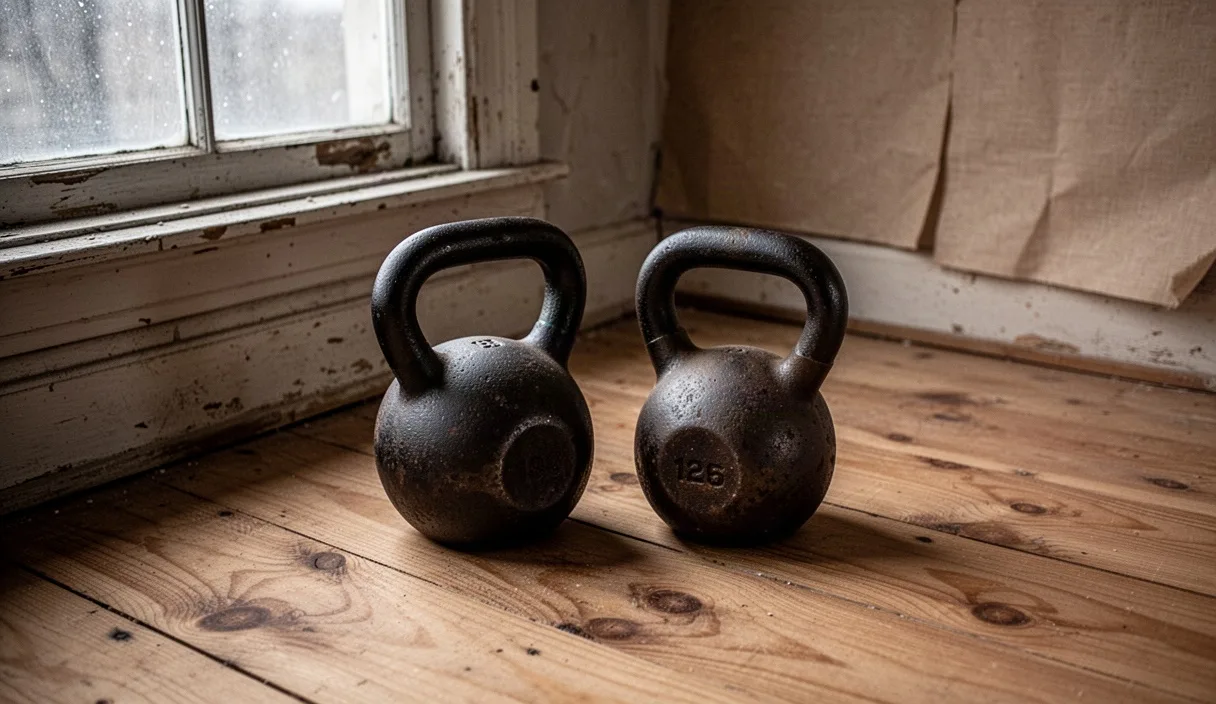
We tend to treat our skeleton as an inert armature, like the wooden framing hidden behind the drywall of a house. In our workshop, we think about structural materials through their maintenance schedules: green oak shrinks and checks as it dries, while cast iron withstands massive compression but fails under unmitigated shear. Living bone behaves differently than seasoned lumber or metal. It is a dynamic tissue, constantly resorbed and relaid along lines of physical force, thirsty for minerals and reactive to pressure.
By the time we reach thirty, the window for effortless mineral consolidation closes. Up to this point, normal physical movement and diet generally sustain an upward trajectory of skeletal density. After the third decade, the biological ledger begins to turn. Preserving our internal scaffolding ceases to be a passive biological gift; it becomes a deliberate craft that demands axial loading, intentional food preparation, and clear-eyed diagnostic measurement.
The quiet slowdown of bone mineral accumulation after thirty
Bone architecture consists of two main types: dense cortical bone on the outer rim, and sponge-like trabecular bone throughout the interior lattice. Cells called osteoclasts dissolve aged, micro-fractured tissue, while osteoblasts lay down a fresh matrix of collagen that hardens with calcium and phosphate crystals. In our early twenties, osteoblast activity outpaces resorption. We reach peak bone mass somewhere between twenty-four and twenty-nine years of age.
Past thirty, the osteoclast balance slowly claims the advantage. In both men and women, bone mineral density begins an annual decline of roughly 0.5 percent to 1.2 percent if left unaddressed. Because the internal trabecular struts thin without producing nerve sensation or obvious warning signs, this degradation remains silent. We do not feel the micro-architectural thinning in our lumbar vertebrae or femoral necks while seated at a desk or walking the dog.
The rate of loss steepens with hormonal shifts later in life, particularly as estrogen and natural vitality production drop. However, the trajectory is largely set in the thirty-to-fifty age bracket. The thicker the mineral walls we build and maintain during this mature period, the less vulnerable our frame is to eventual fragility. Bone behaves much like timber: dry rot is difficult to reverse once deep inside the grain, but continuous, targeted care keeps the core dense and load-bearing.
Why cardio alone does not stimulate bone mineral remodeling
We often assume that aerobic exercise will safeguard the skeleton. Running, lap swimming, and brisk road cycling provide clear cardiovascular dividends, but bone tissue does not respond to steady metabolic output. It responds to mechanical deformation. Under the principle known as Wolff's law, a bone adapts to the loads under which it is placed. If loading increases, the bone remodels itself over time to become stronger against that specific sort of stress.
To provoke bone remodeling, the physical impact must exceed a certain minimum strain threshold, typically measured around 1,000 to 1,500 microstrain. When a load bends or compresses a bone slightly, fluid moves through tiny channels called canaliculi, triggering osteocytes to signal for new mineral placement. Low-impact or non-weight-bearing exercises do not generate this mechanical shear:
- Road cycling: The saddle supports body weight. Bone turnover markers in competitive cyclists frequently mirror those of non-athletic, sedentary controls, especially in the spine.
- Lap swimming: The buoyancy of water cancels the compressive forces of gravity, offering zero axial shock to the femur or lumbar vertebrae.
- Long-distance steady running: While foot strikes generate impact, the repetitive and unidirectional nature of the stride dulls the bone remodeling signal after several hundred strides due to cellular accommodation.
To alert the skeleton that it must hold its ground, we require high-magnitude, brief, and varied mechanical inputs. We need loads that compress the skeleton from the shoulder girdle downward through the hips, knees, and ankles, signaling to the bone cells that our daily environment requires a substantial frame.
The mechanics of the suitcase carry and farmer walk
Carrying heavy, awkward masses is among the most primitive and honest forms of resistance training we can perform. Unlike machines that isolate a muscle around a fixed axis, loaded carries force the entire skeletal column to manage gravity, lateral drift, and foot strike shock at once. We favor two foundational carries: the bilateral farmer walk and the unilateral suitcase carry.
The farmer walk loads both hands equally, compressing the axial skeleton through the cervical, thoracic, and lumbar vertebrae, through the pelvic ring, and straight down into the long bones of the legs. The suitcase carry places a load in only one hand. This offset load creates an intense anti-lateral flexion demand, forcing the obliques, quadratus lumborum, and deep spinal stabilizers on the opposite side to lock the spine upright while the hip abductors fight to keep the pelvis level.
| Movement | Primary Load Target | Recommended Starting Mass | Key Structural Focus |
|---|---|---|---|
| Farmer Walk | Thoracic spine, femoral neck, grip | 25% of bodyweight in each hand | Upright posture, ribs pinned down, level shoulders |
| Suitcase Carry | Pelvic ring, lateral core, hip abductors | 20% of bodyweight in one hand | Absolute vertical alignment, no leaning away from bell |
Executing these carries requires deliberate, measured form rather than haste:
- Set the foundation: Stand adjacent to your weights (kettlebells, heavy dumbbells, or dedicated carry handles). Hinge at the hips, grip the handles with an active, closed fist, and drive the floor away to stand tall.
- Pack the shoulder girdle: Pull your shoulders down away from the ears, seating the humerus firmly into the glenoid socket. Do not let the weights drag your neck or upper back into forward collapse.
- Lock the trunk: Draw the front ribs slightly down toward the pelvis to eliminate excessive lumbar arching. Imagine your torso as a solid cylinder of white oak.
- Take deliberate strides: Walk forward at a measured pace. Avoid jogging or bounding. Strike heel to toe, keeping your stride slightly shorter than normal to maintain a steady center of gravity. Walk for 30 to 45 paces per set.
Mineral density from bone broths, seeds, and leafy greens
Mechanical stress creates the physiological call for repair, but our nutrition delivers the brick and mortar. Calcium often dominates the conversation, but calcium without magnesium, boron, phosphorus, and a strong structural protein matrix remains unutilized. We view food preparation as another material processing step, unlocking minerals bound within tough fibers or connective tissues.
Bone broths made from simmered marrow, knuckles, and feet provide a rich substrate of glycine, proline, and collagen. While the liquid mineral content of bone broth is moderate, its amino acid profile supplies the raw protein scaffolding onto which minerals adhere. Simmer beef knuckles or poultry frames for 14 to 20 hours with a tablespoon of cider vinegar; the low acidity assists in leaching trace minerals out of the dense matrices.
For plant-based mineral density, we look to items with high mineral concentrations and low oxalate levels, since oxalates bind to calcium and block its intestinal uptake:
- Unhulled sesame seeds (Tahini): A single ounce of whole sesame seeds delivers roughly 280 milligrams of calcium, along with rich stores of copper and magnesium. Use whole-seed pastes rather than polished, hulled versions.
- Low-oxalate brassicas: While raw spinach is packed with calcium, its high oxalic acid content locks up roughly 95 percent of that mineral. Instead, turn to Tuscan kale, collard greens, bok choy, and turnip greens. A cup of braised collard greens yields around 265 milligrams of readily absorbable calcium.
- Canned bone-in fish: Wild sardines and sockeye salmon canned with soft, pressure-cooked bones offer both bioavailable calcium phosphate and the vitamin D needed to facilitate transport across the intestinal wall.
Always pair mineral-dense meals with adequate hydration and dietary fats to assist the absorption of fat-soluble bone regulators, notably vitamins D3 and K2. The latter activates osteocalcin, the primary protein responsible for binding calcium ions to the bone matrix.
Scheduling a baseline DEXA scan in your late thirties
We do not guess at the moisture content of raw lumber before joinery; we use a meter. Similarly, we should not guess at our skeletal status based on how our joints feel. Dual-Energy X-ray Absorptiometry (DEXA) remains the gold standard for measuring bone mineral density (BMD) at critical, high-risk points: the lumbar spine, total hip, and femoral neck.
Most clinical guidelines do not suggest a DEXA scan until age sixty-five for women and seventy for men. We believe waiting for these advanced thresholds misses the preventative window. A scan between the ages of thirty-five and forty provides an invaluable personal baseline. If your score reveals unexpected osteopenia in your late thirties, you have ample decades to intervene with heavy loading, targeted nutrition, and lifestyle modifications before irreversible micro-architectural loss occurs.
A standard scan exposes you to minimal radiation, typically around 1 to 4 microsieverts, which is less than the ambient background radiation absorbed during an afternoon cross-country flight. The report produces two primary values:
- T-score: Compares your bone density to a healthy, young reference population of the same biological sex. A score above -1.0 is considered normal; between -1.0 and -2.5 marks osteopenia; below -2.5 indicates cellular vitality.
- Z-score: Compares your density to an age- and sex-matched cohort. If your Z-score is unusually low (below -2.0), it may point to underlying metabolic, thyroid, or malabsorption issues that demand immediate medical workup.
Consult a qualified physician or endocrinologist to order and interpret this scan. Self-diagnosis has no place in internal health, but self-advocacy does.
Common mistakes
Building bone takes years of consistency, but poor execution can stall progress or cause mechanical injury. These are the most frequent pitfalls we observe:
- Carrying loads that break posture: If the weight pulls your torso into lateral flexion or causes your shoulders to roll forward, the skeletal benefits are lost to soft tissue strain. Pick a weight you can handle with pristine upright alignment.
- Relying on low-absorption calcium pills: Massive doses of calcium carbonate taken without magnesium, vitamin D3, or vitamin K2 rarely reach the skeleton efficiently and can increase the risk of arterial calcification or kidney stones.
- Skipping impact in favor of smooth gym circuits: Spending an hour on an elliptical trainer burns calories, but it will not prompt osteoblasts to fortify the femoral neck. Do not substitute fluid, frictionless cardio for hard resistance.
- Neglecting protein intake: Half of our bone volume is composed of protein. Attempting to build mineral density on a protein-deficient diet leaves the minerals without a structural collagen lattice to bind to.
Taking the first steps
Treating your skeleton as a living, structural asset does not require complex machinery or radical life overhauls. It requires consistency, force, and fuel. To begin this work safely, start small and lay down clean habits:
First, integrate loaded carries into your routine twice each week. Find two matched dumbbells or kettlebells weighing roughly 25 percent of your bodyweight combined. Stand tall, brace your abdomen, and walk across your yard or gym floor for 40 paces. Rest for two minutes, and repeat for 4 total sets. As your grip and core stabilize over four to six weeks, slowly increase the weight.
Second, audit your kitchen shelves. Replace hulled seed spreads with stone-ground unhulled tahini, work two portions of slow-simmered bone broth into your weekly cooking, and switch from spinach to steamed collards or bok choy for your primary calcium greens.
Finally, bring up the topic of a baseline DEXA scan with your general practitioner at your next annual checkup. Request a referral, pay the modest out-of-pocket fee if insurance does not cover early screening, and save the report as your structural benchmark. The density we preserve in our late thirties and forties is the exact material that will carry our weight in our eighties.