 Matai Journal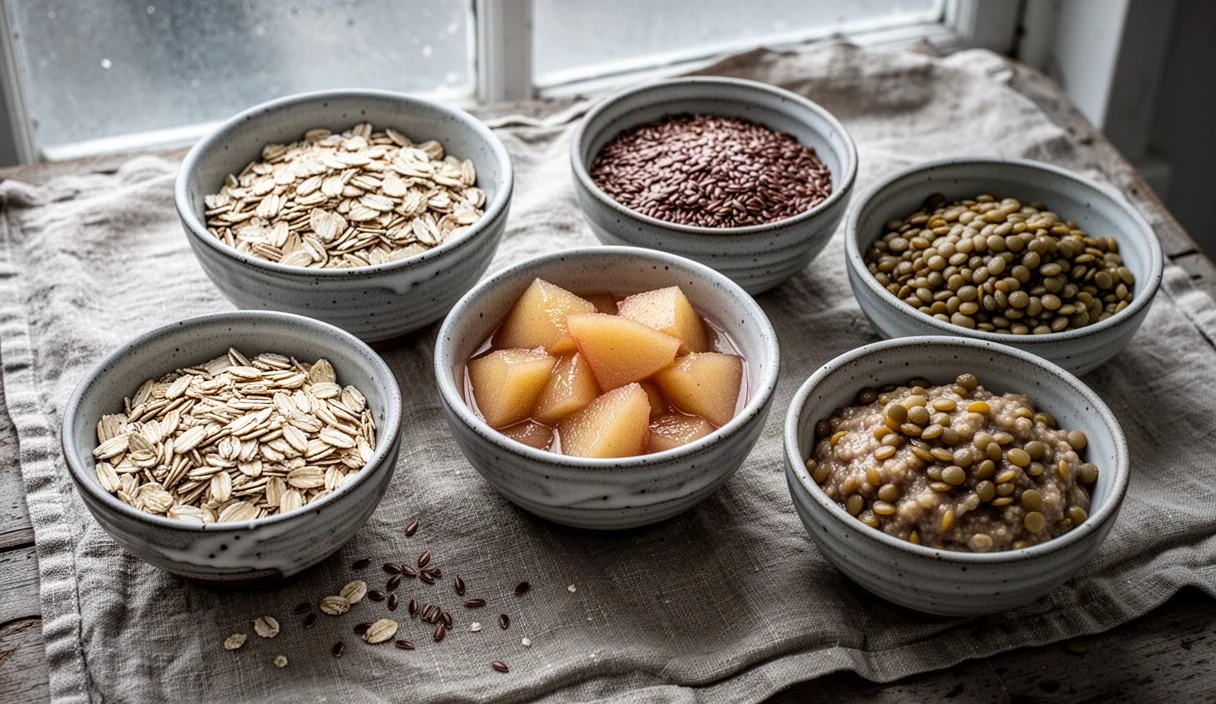
In our kitchen workshop, we view ingredients through the lens of physical material. A dried bean is not an abstraction; it is a dense seed wrapped in an intricate lattice of cellulose, hemicellulose, and pectin. When we drop that bean into simmering water, we initiate a series of thermal and chemical shifts that transform hard, rigid matter into something supple and pliable. The digestive tract treats these materials with the same mechanical logic. The human gut is a muscular tube that relies on water, friction, and biological fermentation to break down, absorb, and transport the materials we feed it each day.
When food moves through the digestive canal, fiber serves as the primary structural modifier of the stool. Yet fiber is not a single uniform substance. It behaves in two distinct ways depending on its chemical makeup. Soluble fibers dissolve in warm fluids to create soothing, water-retaining gels, whereas insoluble fibers remain rigid, acting like fine bristles that stimulate motility and provide mechanical bulk. Balancing these two materials is rarely simple, because the intestinal terrain changes day to day, shaped by hydration, physical activity, and the cyclic rise and fall of systemic hormones.
How intestinal motility changes as estrogen and progesterone fluctuate
Our digestive system does not work in an isolated vacuum. The smooth muscle lining the stomach, small intestine, and colon contains specific receptor sites for both estrogen and progesterone. Throughout a typical twenty-eight-day menstrual cycle, or during the irregular hormonal shifts of perimenopause, these chemical messengers alter the velocity of gut transit. When we observe sluggish digestion, the root cause is often hormonal physics rather than a mere lack of dietary bulk.
During the follicular phase, which spans the days between the onset of menstruation and ovulation, estrogen rises steadily. Estrogen generally supports faster, more predictable gastric emptying and smooth muscle tone. In this window, transit times from mouth to elimination often average between twenty-four and thirty hours. Stools tend to retain balanced hydration, provided fluid intake remains steady. Many people find they can digest raw greens, roasted tubers, and rough seeds with minimal discomfort during these two weeks.
Following ovulation, the body enters the luteal phase, marked by a sharp rise in progesterone. Progesterone acts as a systemic smooth muscle relaxant. In the reproductive organs, this relaxation prevents premature uterine contractions, but the hormone also bathes the digestive tract. The colon slackens. Contractions known as peristaltic waves slow down, and total transit time can extend past forty-two hours. As the food bolus lingers in the large bowel, the mucosal lining continues to pull water out of the waste mass, leaving it dry, dense, and difficult to move.
When estrogen drops sharply just prior to menstruation, the body releases prostaglandins to help shed the uterine lining. These lipid compounds frequently spill into the bowel tissue, causing sudden spastic contractions that swing digestion from constipation directly into loose, frequent stools. If a chronic digestive disorder is suspected, or if painful bowel changes persist across several cycles, consulting a gastroenterologist or registered dietitian provides clarity on whether these shifts stem from hormonal rhythms or structural gastrointestinal issues.
The mechanics of soluble fiber: gel formation and bacterial fuel
To understand soluble fiber, we can watch rolled oats simmer in water on the stove. As heat breaks down the grain walls, beta-glucan polymers untangle and dissolve into the surrounding liquid. They trap water molecules within an interlocking microscopic mesh, turning thin broth into a viscous, cohesive porridge. Inside the digestive tract, this exact gel formation shields the intestinal lining from abrasive friction, moderates the uptake of glucose, and keeps the stool soft by locking in moisture that the colon cannot easily draw away.
Once this hydrated gel reaches the cecum and colon, it ceases to be a simple physical lubricant and becomes food. The trillions of microbes residing in the large intestine possess specialized enzymes that humans lack. These bacteria ferment soluble fibers like inulin, pectin, and mucilage, converting the plant sugars into short-chain fatty acids, predominantly acetate, propionate, and butyrate. Butyrate serves as the primary fuel source for the epithelial cells lining the colon, reinforcing the mucosal barrier and calming low-grade tissue irritation.
| Fiber Category | Primary Sources | Behavior in Water | Physical Role in the Bowel |
|---|---|---|---|
| Soluble (Beta-glucans, Pectins) | Oats, stewed apples, chia seeds, carrots, barley | Dissolves and swells into a viscous gel | Retains moisture, softens hard stool, feeds butyrate-producing bacteria |
| Insoluble (Cellulose, Lignin) | Wheat bran, raw kale stems, nut skins, apple skins | Resists water absorption; remains rigid | Sweeps bowel wall, triggers peristalsis, adds dry bulk to fast transit |
| Resistant Starch | Cooled cooked potatoes, green bananas, parboiled rice | Acts like soluble fiber in the colon | Resists stomach acid, ferments slowly without sudden gas production |
Because soluble fiber forms this cushioning matrix, it functions as a natural mediator for both slow and fast transit. In a sluggish, progesterone-dominant bowel, it brings critical moisture into dry, compacted waste. In an overactive bowel triggered by prostaglandins or stress, the gel absorbs surplus liquid, pulling loose contents together into a cohesive, formed stool.
When raw salads and coarse bran cause painful abdominal bloating
When gut transit slows down, common dietary advice often suggests increasing roughage: eating large bowls of raw kale, sprinkling coarse wheat bran over yogurt, or munching on raw florets of broccoli and cauliflower. In our culinary practice, we compare this approach to pushing dry sawdust down a narrow, dry pipe. If the intestinal muscular contractions are already slow, packing the lumen with sharp, insoluble plant walls does not speed transit. Instead, it creates an obstructive logjam.
Insoluble fibers like cellulose and lignin do not soften significantly in cold water. When raw vegetables enter a slow-moving colon, they sit suspended in a warm, dark, moist chamber for forty hours or longer. The resident microflora attempt to ferment the accessible carbohydrate coatings, producing gases such as hydrogen, carbon dioxide, and methane. Trapped behind dry heaps of insoluble bulk, these gases cannot pass freely. The intestinal wall stretches, stimulating visceral pain receptors and causing severe abdominal distension.
Furthermore, coarse bran particles can act as a physical abrasive against a sensitive or parched mucosal lining. If the protective mucus layer of the intestine is thin, raw plant structures scrape the delicate epithelium, causing localized inflammation and reflex cramping. When transit is compromised, our goal is not to eliminate fiber entirely, but to strip away the harsh physical edges of plant foods through heat, moisture, and mechanical breakdown before they ever reach the plate.
Gentle preparation techniques: stewing, soaking, and slow simmering
We can perform much of the mechanical and thermal work of digestion on the kitchen counter. By applying water, warmth, and time, we pre-digest tough plant matrices, breaking cross-linked cell walls so the human digestive tract does not have to struggle under the load. We rely on four foundational kitchen methods to soften fibrous foods for sensitive digestion.
Hydrating dried legumes and whole grains
Submerge dried seeds, beans, or whole groats in warm water with a pinch of salt for twelve to eighteen hours. This long soak activates native phytase enzymes, which cleave bound phytic acid and soften the outer seed jacket. Pour off the soaking water completely, rinse the materials until the water runs clear, and cook them in fresh water. This step strips away bitter, water-soluble oligosaccharides that otherwise trigger explosive gas in the lower bowel.
Thermal tenderizing through slow simmering
Root vegetables and dense brassicas benefit from extended exposure to low, moist heat between eighty-five and ninety-five degrees Celsius. Cook sliced carrots, parsnips, peeled beets, and turnip cubes in bone broth or salted vegetable stock for at least forty-five minutes. The heat hydrolyzes the rigid protopectin that binds plant cells together, transforming it into tender, water-holding soluble pectin that slides smoothly through the intestinal lumen.
Pureeing and mechanical shearing
A countertop blender or food mill can drastically reduce the particle size of insoluble fiber. Pureeing cooked squash, leeks, or lentils breaks long, fibrous cellulose strands into microscopic fragments. By reducing particle size mechanically, we expand the surface area available to our digestive enzymes without requiring the muscular stomach to grind the material down through exhaustive physical churning.
Pre-gelatinizing mucilage seeds
Never consume chia seeds or whole flaxseeds dry. In a ceramic bowl, whisk one part whole chia seeds with six parts warm water or herbal infusion. Let the mixture stand on the counter for twenty-five minutes, whisking twice to prevent clumping. The seeds will release their outer mucilage layer, creating a thick, glossy pudding that delivers hydration directly into the colon instead of sucking up precious fluids from the stomach lining.
A week-long meal plan template for comfortable digestion
This seven-day framework highlights soothing, gel-forming soluble bases accented with thoroughly softened insoluble elements. Portions can be adjusted to match energy needs, and clean broths can be sipped alongside any meal to ensure adequate fluid volume.
Monday
- Morning: 180 grams rolled oats simmered in water and almond milk, folded with 15 ml soaked chia gel and 60 grams peeled, stewed apples seasoned with ground cinnamon.
- Midday: Warm soup made from 200 grams pureed roasted butternut squash, 100 grams red lentils cooked until completely broken, 10 ml olive oil, and fresh thyme.
- Evening: 120 grams poached wild salmon served over 150 grams soft white jasmine rice, accompanied by 100 grams carrots and zucchini rounds stewed in chicken broth.
Tuesday
- Morning: Warm rice congee made from 50 grams white rice simmered in 400 ml mineral-rich broth for an hour, topped with a soft-boiled egg and 5 ml sesame oil.
- Midday: 150 grams baked sweet potato flesh (skin discarded), mashed with 10 grams grass-fed butter, paired with 100 grams shredded chicken breast and 80 grams tender steamed green beans.
- Evening: Broth-based stew featuring 120 grams tender braised beef chuck, 100 grams parsnips, and 80 grams peeled, simmered potatoes cooked until fork-tender.
Wednesday
- Morning: 180 grams cooked rolled oat porridge stirred with 15 grams ground golden flaxseed (soaked prior to cooking) and 50 grams warm, thawed wild blueberries.
- Midday: 220 ml pureed zucchini and leek soup prepared with bone broth, served with two sourdough toasts brushed with olive oil.
- Evening: 130 grams baked cod fillet topped with lemon juice, 140 grams soft polenta cooked with sea salt, and 90 grams peeled, slowly simmered yellow squash.
Thursday
- Morning: 150 grams plain sheep or coconut milk yogurt topped with 80 grams warmed, peeled stewed pears and a spoonful of pre-hydrated chia seed jelly.
- Midday: 150 grams warm salad of boiled, peeled new potatoes, 90 grams flaked canned tuna, soft-cooked wax beans, and a light dressing of olive oil and apple cider vinegar.
- Evening: 120 grams turkey breast meatballs poached directly inside 200 ml smooth, strained marinara sauce, ladled over 130 grams well-cooked gluten-free or semolina pasta.
Friday
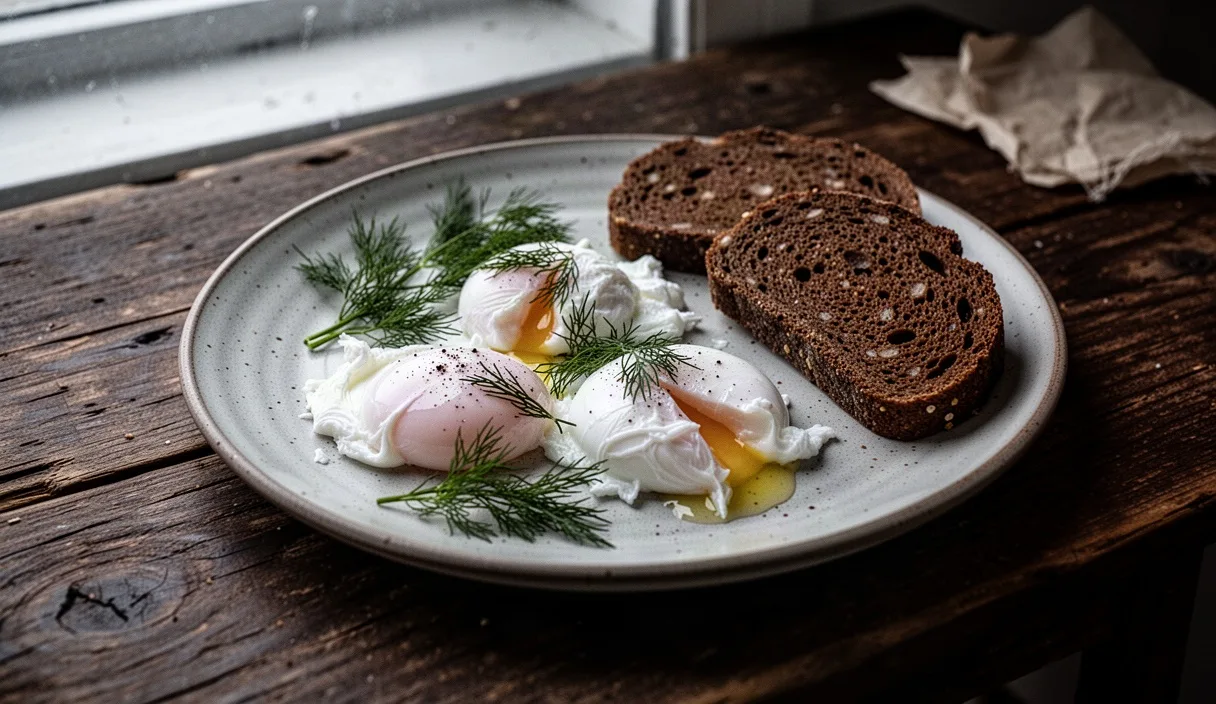
- Morning: Congee cooked slowly with bone broth, fresh grated ginger root, minced scallion greens, and two scrambled eggs folded in gently at the end.
- Midday: Creamy red lentil dahl cooked with ground turmeric, cumin, and coconut cream, served over 120 grams steamed white basmati rice.
- Evening: 140 grams baked chicken thighs served alongside 130 grams roasted, peeled parsnip puree and 80 grams wilted, tender baby spinach with all tough lower stems removed.
Saturday
- Morning: Two slices of toasted naturally leavened sourdough bread topped with half an avocado, mashed with coarse sea salt and a squeeze of fresh lemon juice.
- Midday: Simple chicken soup containing 120 grams shredded meat, 100 grams carrots sliced thin and cooked until completely soft, and 80 grams small soup pasta shapes.
- Evening: 130 grams pan-seared sea bass, 150 grams kabocha squash roasted until soft and spoonable (without skin), and 90 grams braised fennel bulb hearts.
Sunday
- Morning: 180 grams warm oat porridge enriched with 15 ml smooth almond butter, 10 ml maple syrup, and 60 grams mashed ripe banana.
- Midday: 200 ml velvety blended root vegetable soup (carrots, celeriac, and potatoes), accompanied by 60 grams hard aged goat cheese and a slice of toasted sourdough.
- Evening: Slow-braised lamb shank served with its reduced pan juices, 140 grams buttered white rice, and 90 grams carrots simmered in chicken stock until meltingly soft.
Common mistakes
The most frequent error we see in the kitchen is introducing dry fiber powders or raw seeds without adequate hydration. Swallowing unsoaked psyllium husk or dry chia seeds pulls water directly out of the esophagus and stomach, creating dense, gummy plugs that exacerbate constipation rather than resolving it. Every gram of concentrated supplemental fiber demands at least thirty milliliters of warm liquid to hydrate properly before it enters the body.
Another pitfall is shifting the diet overnight. Jumping from an intake of twelve grams of daily fiber to thirty-five grams within forty-eight hours overwhelms the bacterial colonies in the colon. The microflora cannot ramp up their metabolic pathways quickly enough, leading to painful bloating and crampy gas. Dietary fiber adjustments should occur incrementally, raising daily intake by just three to four grams every five to seven days to give the mucosal wall and the resident bacteria time to adapt.
Practical next steps for your kitchen
Take an inventory of your pantry through the lens of texture and water behavior. Set aside sharp, abrasive materials such as raw bran, coarse seed crackers, and tough stems for days when your digestive transit is moving briskly and your body feels energized. For days marked by sluggish motility, hormonal heaviness, or gut tension, pivot your cooking toward thermal tenderness and gel-forming soluble plants.
Begin tomorrow morning by adjusting your routine: swap cold cereals for warm, soaked rolled oats simmered with peeled fruits. Keep a pot of long-simmered bone broth or root vegetable stock ready in the refrigerator to use as a cooking medium instead of plain water. If chronic transit issues, persistent abdominal pain, or unexplained irregularities remain unresolved despite these gentle culinary modifications, consult a licensed gastroenterologist or registered dietitian for specialized testing and care.